Too Much Bench Time Is Breaking Your Brain: The Hidden Cost of Watching Instead of Playing
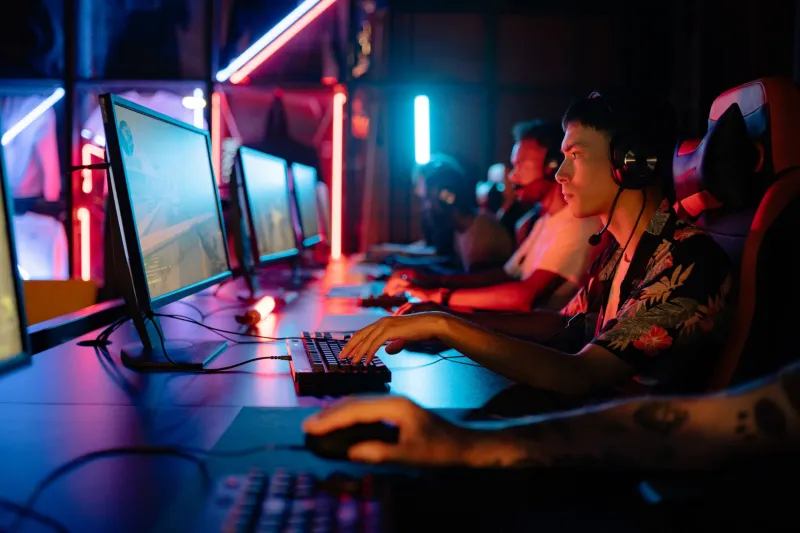
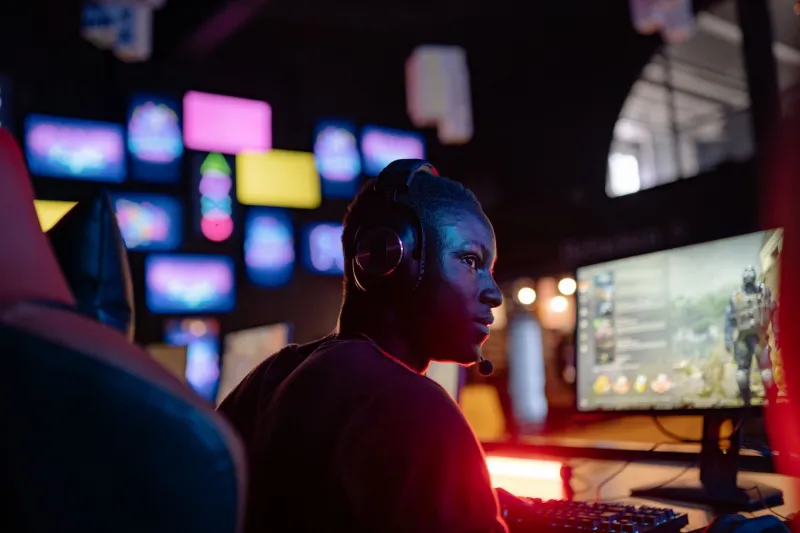
You've been there. Scrim block is running, your teammate is up, and you're parked in the spectator cam — headset on, eyes locked in, absorbing every rotation, every decision, every mistake. It feels like homework. It feels useful. You're studying the game, right?
Maybe. But there's a good chance you're also slowly training yourself to hesitate.
This isn't a hot take for the sake of it. There's real psychology behind what happens when competitive players spend disproportionate time watching the game instead of actively playing it. And if you're serious about climbing — whether that's ranked ladders, tournament brackets, or a roster spot — you need to understand the difference between productive observation and the kind that quietly hollows out your instincts.
What Your Brain Learns When You Watch
Here's the thing about observation: your brain doesn't just passively receive information. It builds models. When you watch a teammate play, your mind is cataloging their decision trees, their hesitations, their patterns. You start to understand how they think — and over time, without realizing it, you start to incorporate that thought process into your own.
This sounds like a good thing. And in small doses, it is. But there's a catch.
Watching someone else play is inherently analytical. You have time to process. You can see the whole map. You're not under pressure. Your brain operates in a slow, deliberate mode — the kind of mode that's great for post-game reviews and terrible for split-second competitive decisions.
The more hours you log in that slow, deliberate mode, the more your brain starts to default to it even when you're the one holding the controller. You queue up, the match starts, and instead of reacting — you evaluate. You pause half a beat too long. You second-guess the aggressive play because you just spent three hours watching someone else get punished for the same move.
Psychologists call this analysis paralysis, and it's a well-documented phenomenon in high-performance sports. Football coaches have known for decades that players who over-study film without balancing it with physical reps start to lose their read-and-react sharpness. Esports is no different. Your inputs might be digital, but your decision-making hardware is still a human brain.
The Spectator Mindset vs. The Competitor Mindset
There's a fundamental difference in how you process information depending on which seat you're in.
As a spectator, you're comfortable. You're safe. There are no consequences for being wrong. You can afford to wait and see how a situation plays out before forming an opinion. That comfort is the problem.
As a competitor, you don't get to wait. Decisions happen at speed, under pressure, with incomplete information. The players who thrive in that environment aren't the ones who think the most carefully — they're the ones who've trained their instincts to be automatically correct often enough that hesitation becomes the exception, not the rule.
When you spend too much time in spectator mode, you're essentially practicing the wrong mental posture. You're rehearsing caution and deliberation in an environment that rewards aggression and decisiveness. And then you wonder why you're slow on the draw when it actually matters.
How to Know If This Is Affecting You
The signs aren't always obvious, but here are a few red flags worth looking at honestly:
- You're second-guessing plays you used to make automatically. If moves that once felt natural now feel risky without clear justification, your instincts might be getting second-opinions they don't need.
- You play more cautiously after watching teammates struggle. Empathy for a teammate's bad game is fine. Importing their fear into your own playstyle is a problem.
- Your early-game aggression has dropped. Observation-heavy routines tend to bleed into conservative tendencies, especially in the opening phases of a match when the game is most fluid.
- You find yourself mentally narrating your own gameplay. If you're commentating your own decisions while making them, you're stuck in observer mode during a moment that requires player mode.
The Fix: Active Observation vs. Passive Absorption
The goal isn't to stop watching your teammates play. Team awareness and strategic alignment are genuinely valuable. The goal is to change how you watch, and to make sure the balance stays tilted toward active play.
Set a specific focus before you spectate. Don't just sit back and soak it in. Pick one thing to look for — how your teammate handles a specific map zone, how they respond to a particular enemy comp, how their cooldown management looks at the two-minute mark. Purposeful watching keeps your brain in an active mode rather than a passive one.
Cap your spectating time. If you're watching more than you're playing in a given session, something is off. A rough benchmark: for every hour of observation, you should be logging at least two hours of active play. Adjust based on your schedule, but protect your reps.
Decompress between watching and playing. Give your brain a buffer. After a long spectator session, don't immediately queue up. Take ten minutes, do something physical, reset your mental state. You want to walk into your session as a competitor, not as a commentator who suddenly has a controller in their hand.
Review your own VODs more than you watch others. Your own footage is infinitely more valuable for development, and it keeps the focus on your decision-making rather than someone else's. You're the player you need to improve, not your teammate.
Staying Informed Without Going Passive
Here's the balance elite players actually strike: they stay aware of team dynamics without absorbing them into their own game identity. They know what their teammates tend to do, but they don't let that knowledge make them tentative.
The best way to stay informed without going passive is communication. Talk to your teammates after their sessions. Get the highlights through conversation rather than sitting through three hours of footage. Ask targeted questions — what felt off, where did they feel pressured, what reads were they making — and let that discussion do the informational work without pulling you into extended spectator mode.
You can also stay sharp during downtime by running isolated mechanics drills, aim trainers, or custom lobbies. Keep your hands and your instincts warm even when it's not your turn in the main session.
The Bottom Line
Watching your team play isn't the enemy. Losing yourself in the spectator seat is. Every hour you spend as an observer is an hour your brain is practicing the wrong skill set for in-game performance. The most dangerous part? It happens gradually, and by the time your reaction times and decision confidence start slipping, you've already built the habit.
Stay curious about your team. Stay informed about strategy. But stay hungry to play. The competitor in you needs reps, pressure, and consequences to stay sharp — and none of those exist in the spectator cam.
MasterMeci isn't about watching the game. It's about dominating it. Get back in the queue.