The Off-Clock Edge: What You Do Between Matches Is Quietly Deciding Your Rank
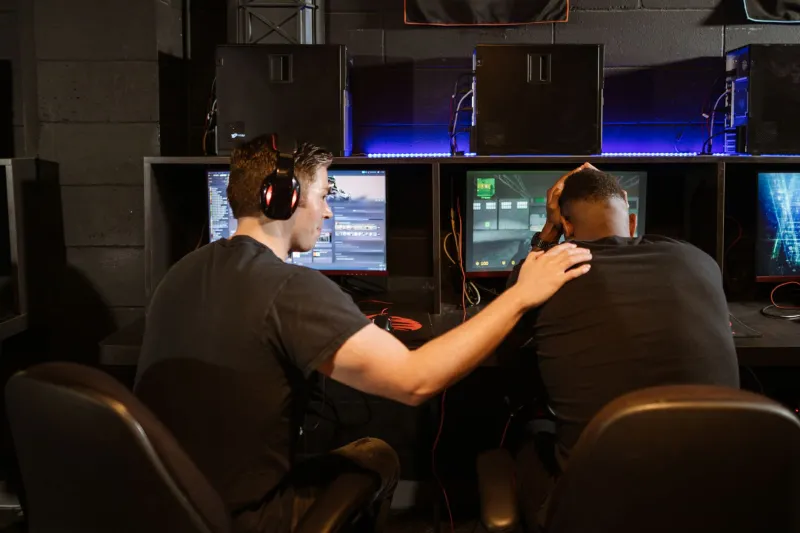
You just finished a brutal five-game session. You lost two you should've won, tilted through a third, barely scraped a win in game four, and rage-queued your way into a stomping in game five. You close the client, grab your phone, and spend the next ninety minutes doomscrolling Twitter arguments about the latest patch drama before finally passing out at 2 AM with your laptop still open.
Sound familiar? Here's the part nobody tells you: that is where your rank is actually being decided.
Elite esports orgs figured this out years ago. Teams competing at the highest level don't just optimize practice blocks — they structure everything around performance. Sleep windows, meal timing, mental cooldowns between sessions, even social media policies during event weeks. Meanwhile, most solo queue grinders are treating the hours between matches like dead time, then wondering why they can't replicate their best play consistently.
There's a tax on every bad habit you're running off-clock. You just don't see the invoice until you're in a clutch round and your brain is running on fumes.
Sleep Isn't Recovery — It's Skill Consolidation
Here's something straight out of sports science that applies directly to competitive gaming: the skills you practice don't fully lock in until you sleep. During deep sleep cycles, your brain literally replays and reinforces motor patterns and decision-making sequences from the day. That micro-adjustment you drilled for two hours? It's not yours yet until you've slept on it.
Cutting sleep to squeeze in more games isn't just physically draining — it's actively sabotaging the ROI on your practice time. Studies on athletes consistently show that reaction time, decision speed, and emotional regulation all degrade significantly below seven hours of sleep. For gamers, that translates directly to slower rotations, worse reads under pressure, and a dramatically lower threshold for tilt.
The fix isn't complicated, but it does require treating your sleep window like a scheduled queue time. Pick a consistent sleep and wake schedule and actually protect it — even on weekends. Your nervous system doesn't care that it's Saturday.
What You Eat (and When) Is a Performance Variable
This one gets eye-rolls from a lot of players, but hear it out. Nobody's saying you need a personal chef. What matters is understanding that your brain runs on glucose, and the quality and timing of that fuel directly affects cognitive performance.
Playing a long session on nothing but energy drinks and chips creates blood sugar spikes and crashes that are basically a self-imposed handicap. You'll feel sharp for the first hour, foggy and irritable by hour three, and by hour five you're making decisions that would embarrass your main account.
A few practical adjustments that don't require a nutrition degree:
- Eat a real meal before a serious session, not during it. Digestion pulls blood flow and cognitive resources.
- Avoid high-sugar drinks mid-session if you're playing for more than ninety minutes. The crash is real and it hits at the worst time.
- Keep water in reach. Even mild dehydration — like 1-2% of body weight — measurably impacts focus and reaction time.
None of this is revolutionary. It's just the stuff competitive athletes take seriously that most gamers still treat as optional.
The Scroll Trap: How Social Media Is Burning Your Mental Reset Window
After a rough session, your brain genuinely needs to decompress. That's not weakness — it's neuroscience. The prefrontal cortex, which handles everything from decision-making to emotional control, needs downtime to recover its full capacity.
The problem is that most players fill that recovery window with more stimulation. Scrolling through highlight reels, reading Reddit threads about why their main got nerfed into the ground, watching streamers play the same game they just tilted out of — none of that is rest. It's just a different flavor of the same cognitive load.
You're essentially trying to cool down a CPU by running more programs on it.
A genuine mental reset between sessions looks more like:
- A short walk outside (seriously, even ten minutes of daylight and movement shifts your neurochemistry)
- Something completely unrelated to gaming — a podcast, cooking, lifting, whatever actually takes your mind off the match
- A deliberate "close the loop" habit before you step away, like jotting one thing you want to focus on next session
That last one matters more than it sounds. One of the biggest drains on mental energy is unresolved loops — your brain keeps spinning on the loss, the bad call, the teammate who inted — because it hasn't been given a clean signal that the session is over. Give it one.
Building an Off-Match Routine That Actually Works
Pro athletes don't just train hard. They structure recovery as deliberately as they structure reps. Here's a simple framework to start treating your off-match hours the same way:
Post-Session (first 30 minutes after closing the client): Step away from the screen entirely. Hydrate. Do something physical, even if it's just standing up and moving around your apartment. Don't immediately open Twitch or Twitter.
Recharge Block (30 minutes to a few hours before your next session): This is your actual downtime. Protect it. Sleep if it's that time. Eat a real meal. Do something that has nothing to do with gaming. This is where your brain consolidates what you learned and rebuilds the cognitive resources you burned.
Pre-Session Ramp (15-20 minutes before queuing): Get intentional. Review what you wrote down after your last session. Do a quick aim or mechanics warmup if that's relevant to your game. Set a specific focus for the session — not "play better," but something concrete like "track the minimap every time I recall" or "call my cooldowns before engaging."
This structure sounds almost too simple. That's the point. Complexity is the enemy of consistency, and consistency is what actually moves the needle.
The Real Competition Advantage Nobody Talks About
Here's the honest truth: at most rank levels, the player who shows up consistently sharp will outperform the more mechanically gifted player who's running on bad sleep, junk food, and a tilted headspace. Talent gets you in the building. Sustainable habits keep you climbing.
The players who make real rank progress aren't always the ones with the most hours logged. They're the ones who've figured out that the game doesn't start when you click "Find Match." It starts the moment you close the client and decide what you're going to do with the next twelve hours.
That window is either working for you or against you. Right now, for most players, it's against them — and they have no idea.
Start treating your off-clock hours like the competitive asset they are. Your rank will notice before you do.