Sitting Out Doesn't Mean Sitting Still: How Benched Players Lose Their Edge — and How to Keep It

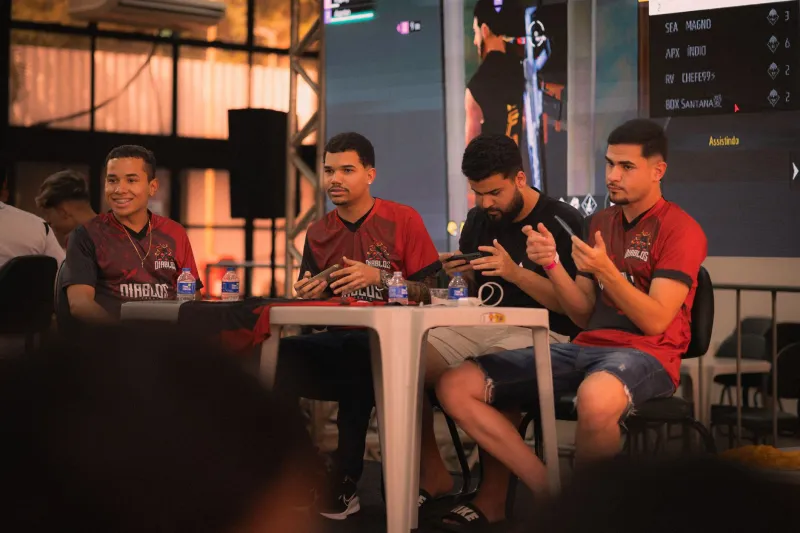
There's a specific kind of frustration that only benched players know. You've put in the hours, you know the meta, you've drilled the same scenarios until your hands could run them in your sleep — and then you're watching from the sideline while your team competes without you. It stings. But here's the thing most players never realize until it's too late: the watching itself might be doing more damage than the bench ever could.
This is what we call the Spectator Trap. It's the moment a competitor stops being a competitor and starts being an audience member — and the mental and mechanical costs of that shift are way more serious than most players give them credit for.
Why Watching Isn't the Same as Learning
There's a common assumption in competitive gaming that observation is always productive. Watch enough pro matches, study enough VODs, and you'll absorb something useful. And to a point, that's true. But watching your own team play a live match that you're not in? That's a completely different psychological experience — and not a great one.
When you're benched and watching your squad compete, your brain isn't in analyst mode. It's in comparison mode. You're not studying the game objectively; you're measuring yourself against whoever took your slot, second-guessing every call they make, and riding the emotional highs and lows of a match you have zero control over. That's not learning. That's stress with a controller in your lap.
Research on athletic performance consistently shows that passive observation during periods of inactivity accelerates mental deconditioning. In esports terms: the longer you sit and watch without actively processing or competing, the duller your in-game instincts get. Reaction windows tighten. Decision-making feels less automatic. The snap judgments that used to feel effortless start requiring a beat too long.
And the cruel irony? You don't notice it happening. You feel like you're staying connected to the game because you're watching it. But your brain knows the difference between doing and observing — even when you don't.
The Emotional Weight Nobody Talks About
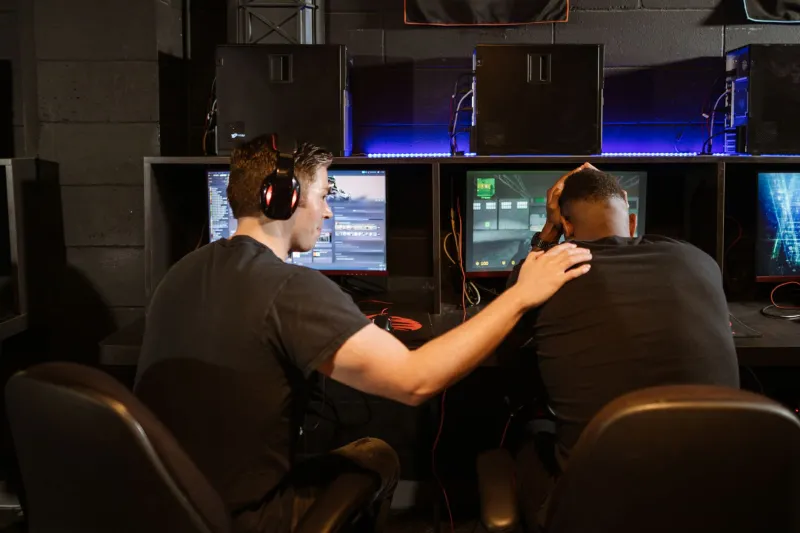
Beyond the mechanical drift, there's a psychological cost to being a spectator on your own team that rarely gets discussed openly. Competitive gaming communities in the US tend to celebrate the grind and quietly shame anything that looks like a mental health conversation, which means a lot of benched players are processing some genuinely difficult emotions completely alone.
Jealousy, self-doubt, resentment — these aren't character flaws. They're normal responses to an abnormal situation. You care about winning. You care about your spot. And watching someone else occupy that space while you sit in the team house or tune in on Discord is legitimately hard. Pretending otherwise doesn't make those feelings go away; it just lets them fester into the kind of mental static that wrecks your performance when you finally do get back in.
The players who handle bench time best aren't the ones who feel nothing. They're the ones who have a structure that keeps those feelings from running the show.
Building Your Off-Rotation Game Plan
So what does productive bench time actually look like? It starts with a simple reframe: your job hasn't changed. You're still preparing to compete. The only thing that changed is the specific arena you're preparing for.
Solo queue is your practice server. This is non-negotiable. If your team is in a tournament match and you're not playing, you should still be queuing — ideally in a separate session that lets you stay mechanically warm without the emotional noise of watching your squad in real time. Treat solo queue during off-rotation periods like a focused training block, not casual play. Pick the scenarios that mirror your team's current competitive context and drill them deliberately.
Set a strict observation budget. If you're going to watch your team's matches, do it with intention — not as a passive viewer, but as an analyst. Take notes. Timestamp moments you'd have handled differently. Build a mental file of what the team is doing well and where there are gaps your return could address. Then stop watching. Seriously. Limit your live-match observation time and fill the rest with active work.
Use the mental prep window. Elite athletes in traditional sports have known for decades that visualization and mental rehearsal maintain competitive sharpness even when physical practice isn't possible. The same principle applies here. Spend time walking through scenarios in your head — not vaguely, but with specific detail. What does your positioning look like in this map? How do you respond to this opponent's opening? Mental reps are real reps, and they cost you nothing except focused time.
Stay physically consistent. This one gets ignored constantly in esports culture, but your body affects your performance more than most players want to admit. Sleep, hydration, and even light physical activity keep your nervous system primed for the kind of quick-twitch decision-making that competitive gaming demands. Bench time is not a vacation. Keep your routine tight.
How to Re-Enter Without Losing a Step
The moment your number gets called again, you want to feel like you never left — not like someone who's been warming the bench and hoping. That gap is built entirely in how you used your time off the server.
Before you re-enter, take stock of what's changed since you last competed. Meta shifts, new team dynamics, any opponents you'll face who've updated their strategies. Don't assume everything is exactly where you left it. A quick review session — not hours, just a focused 30-minute debrief — puts you back in context fast.
Also, manage your expectations for the first few matches back. Even with perfect preparation, there's an adjustment period. Give yourself permission to take one or two matches to re-sync with your team's rhythm before you start evaluating your performance harshly. The players who implode on re-entry are usually the ones who needed a perfect performance to justify their return — and that pressure creates exactly the kind of mental tightness that guarantees mistakes.
The Bench Isn't the Enemy
Here's the perspective shift that changes everything: bench time is only career-ending if you treat it like it is. The players who come back from rotation and immediately impact their team aren't lucky — they're the ones who refused to let the sideline turn them into spectators.
MasterMeci has covered the mental edge from every angle, and one truth keeps showing up: the players who consistently climb and compete at the highest level aren't necessarily the most talented. They're the most prepared. And preparation doesn't take a day off just because your team roster did.
You've got a shot coming. Make sure you're ready for it.