Talking Loud, Saying Nothing: How Bad Callouts Are Silently Tanking Your Team's Win Rate
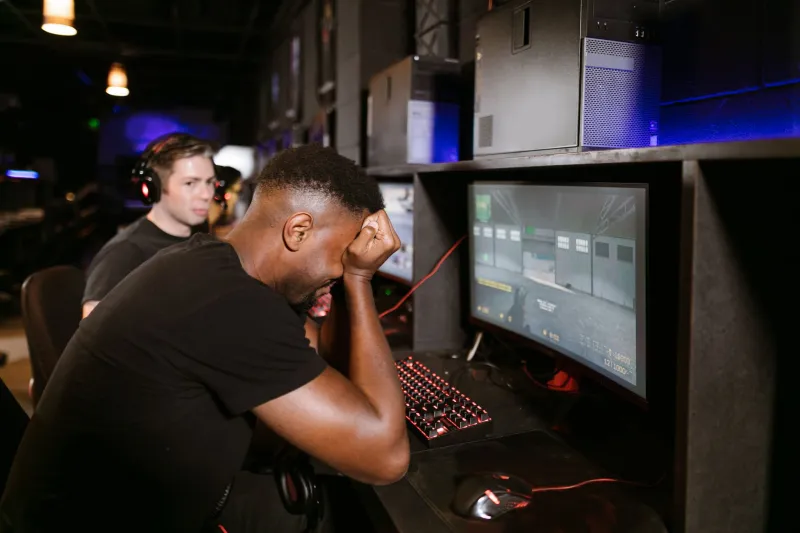
There's a specific kind of loss that stings differently. Not the stomp where the enemy just out-aimmed everyone. The loss where your team knew what was happening, had the right players in the right spots — and still fell apart at the critical moment. Nine times out of ten, when you pull up the VOD on those rounds, the culprit is sitting right there in the voice channel.
Communication in competitive games gets treated like a soft skill — a nice-to-have that ranks somewhere below aim training and cooldown management. That framing is costing you rounds. A lot of them.
The Noise Problem Nobody's Talking About
Here's something most players don't want to hear: more comms is not better comms. In high-stress rounds — late-game clutches, eco rounds, force-buys — the average team voice channel becomes a wall of overlapping sound. Two people calling positions simultaneously. Someone narrating a 1v1 that everyone can already see on the minimap. Another player venting frustration over a play that happened fifteen seconds ago.
All of that is noise. And noise, from a cognitive standpoint, is the enemy of fast decision-making.
The human brain under pressure doesn't process information cleanly. It filters. When your teammate is mid-callout and two other people are talking at the same time, the brain has to spend processing power just sorting through the audio — power that should be going toward positioning, timing, and execution. By the time the relevant callout actually registers, the window to act on it has already closed.
That's not a skill issue. That's a communication architecture issue.
What Elite Teams Actually Sound Like
If you've ever watched pro-level comms — the kind that sometimes gets broadcast during LAN events — one thing stands out immediately: it's quiet. Not silent, but controlled. Information gets delivered in short bursts. There's no editorializing. Nobody's explaining why they're making a call mid-round. Just clean, specific, actionable data.
"Two mid, one pushing right" hits different than "hey I think there might be two of them in mid area, watch your right side."
The difference isn't just wordcount. It's information density. High-performing teams train themselves to communicate like pilots using checklists — stripped of everything except what the teammate needs to act right now. The context, the strategy, the reasoning? That happens before the round starts or after it ends.
This is what communication hierarchy looks like in practice: critical information first, context never during execution.
The Psychology Behind Who Talks and When
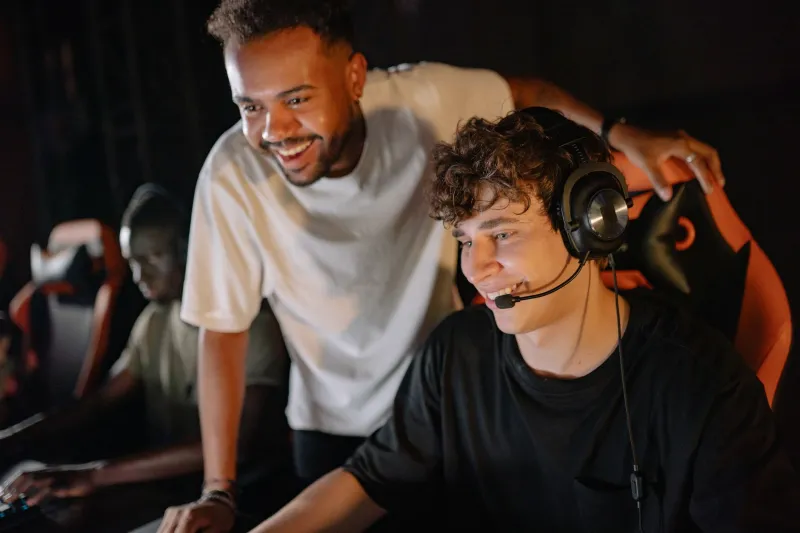
There's also a social dynamic at play that most teams never address. In a five-person stack, someone almost always emerges as the loudest communicator — not necessarily the IGL, just the person most comfortable filling silence. And here's where it gets messy: that person's callouts start to carry implicit authority, even when they shouldn't.
Other players, picking up on the social signal, start holding their own callouts back. They second-guess whether their information is worth adding to an already noisy channel. So the one player who keeps talking keeps dominating comms, and genuinely useful intel from other teammates gets filtered out before it's ever spoken.
This is called communication apprehension, and it's more common in gaming teams than anyone admits. The fix isn't to silence your loudest player — it's to build a structure where every player has a defined role in the information chain.
Building a Callout Protocol That Actually Works
So what does restructured team communication actually look like? Start with these principles:
Assign information ownership. Each player should have a primary zone of callout responsibility based on their position in the round. If you're holding a flank, you own flank intel. You're not narrating what's happening on site — that's someone else's job. This alone cuts redundant callouts by a significant margin.
Use a callout tier system. Not all information is equal. Tier one: immediate threats that require a teammate to move or act right now. Tier two: positional updates that inform strategy but don't demand instant reaction. Tier three: everything else, which mostly shouldn't be said during active play at all. When players internalize this hierarchy, they naturally start filtering their own comms before they speak.
Establish a "comms off" rule for emotional content. Frustration, blame, hype — all of it gets held until the round ends. This isn't about suppressing emotion; it's about protecting the communication channel during the moments it matters most. One "come on, seriously?" mid-round can break the focus of every player in the lobby.
Practice dead air. This one sounds weird, but it works. Run scrimmage rounds where the rule is that nobody talks unless they have tier-one information. It feels uncomfortable. That discomfort is the point. Most teams discover they were filling silence out of habit, not necessity.
The Timing Layer Most Teams Miss
Even well-structured callouts can fail if the timing is off. A perfect position callout delivered a half-second after the information became relevant is useless. Worse, it can actively mislead — teammates react to where the enemy was, not where they are now.
The timing skill is about anticipation. Experienced callers develop a sense for when their teammates need information, not just what information they need. You call the rotation before it's confirmed, based on game sense. You call the anchor position before your teammate rounds the corner, not after. This kind of predictive communication is what separates functional team comms from genuinely elite ones.
It's also trainable. VOD review specifically focused on callout timing — not just content — is one of the most underused practice tools in ranked play. Pull up your own clips and ask: did that callout arrive early enough to be actionable? More often than not, you'll find a consistent lag between the moment the information existed and the moment it was communicated.
The Takeaway
Your rank is not just a reflection of your individual skill. It's a reflection of your team's collective ability to make fast, accurate decisions under pressure — and communication is the mechanism that either enables or destroys that ability.
Clean comms won't carry a mechanically outmatched team. But in close games — the ones decided by a single round, a single rotation, a single second of hesitation — better communication structure is often the difference between the win column and the loss screen.
So before your next session, have a five-minute conversation with your squad about how you actually talk to each other. Not what you say — how you say it, when you say it, and who owns what. That conversation might be worth more than another hour of aim training.
Level up the channel. The results will follow.