Your Scrim Partner Is Too Nice: The Case for the Enemy Who Knows You Best

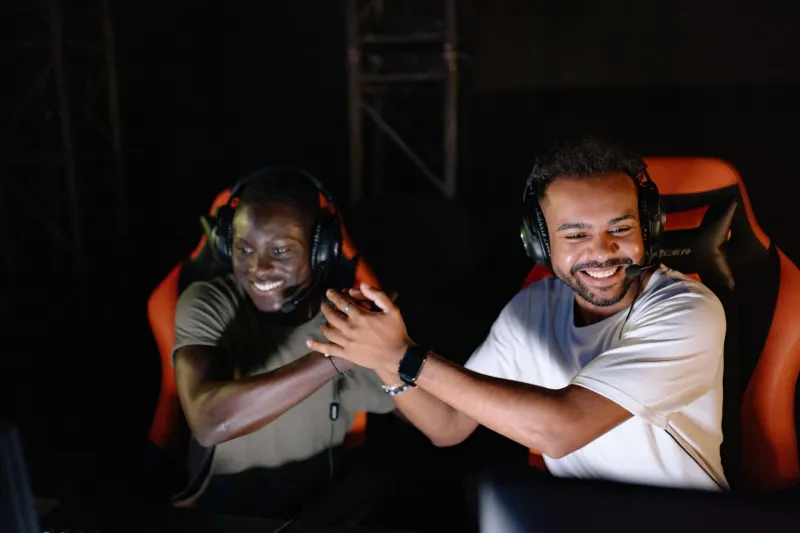
Photo: Infamous Gaming, Public domain, via Wikimedia Commons
There's a specific kind of comfort that creeps into a scrim block when you've been playing the same lobby for three weeks. Everyone's on comms cracking jokes, nobody's tilted, and by the third map your team is coasting on muscle memory and vibes. It feels productive. It is not.
If your scrim partner never pushes you to the edge of frustration, you're not practicing — you're rehearsing against a punching bag that punches back politely.
The Friend Problem Nobody Wants to Name
Most amateur teams find scrim partners the way they find everything else: through Discord servers, mutuals, and whoever's online at 8 PM on a Tuesday. That's fine for getting reps. But when the partner becomes a friend group, something subtle shifts. Nobody wants to be the guy who flames the callout mistake. Nobody sweats the round. The lobby stays loose because the relationship stays loose.
Here's the thing about real competition: it requires stakes. Not money stakes, not ranking stakes — social stakes. The fear of losing to someone who will absolutely bring it up next week. That tension is what forces players to take the extra second on the crosshair placement, to actually execute the mid-round adjustment instead of winging it.
Friendly lobbies sand that edge off. Rival lobbies sharpen it.
What a True Rival Team Gives You
A proper rival isn't just a team at your skill level. It's a team that has studied you. They know your default executes. They know your IGL's tendency to slow down on match point. They know your star player force-buys when he's frustrated.
And that's exactly why they're valuable.
They expose your tells. Friends play loosely against you. Rivals play specifically against you. When an opponent counters your setups because they've seen them forty times, you learn the difference between a strategy and a crutch.
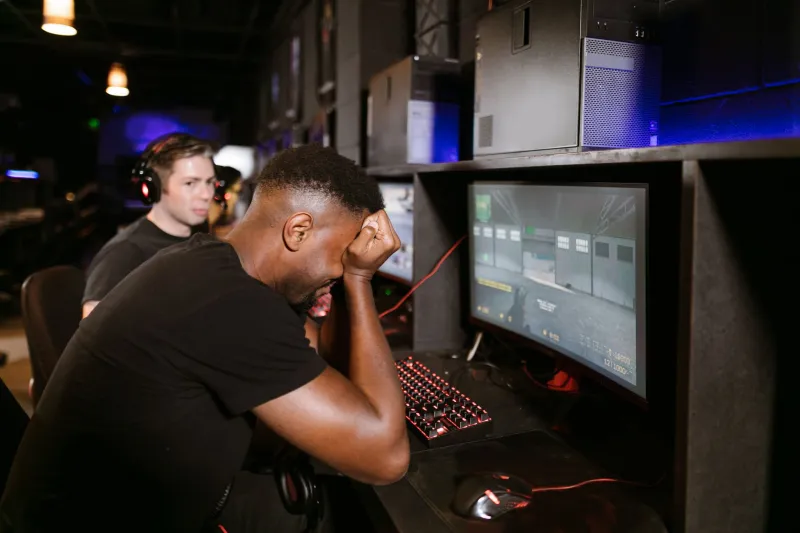
They punish complacency. You can't phone in a scrim against a team that's keeping a mental scoreboard of your head-to-head record. The 14-12 heartbreaks sting, and that sting is the product.
They simulate tournament pressure. Local LAN brackets and online qualifiers are full of opponents who've done their homework. If your first exposure to a prepared enemy is at the event, you've already lost the mental reps.
Think of the classic sports rivalries — Red Sox–Yankees, Cowboys–Eagles, Duke–UNC. Those matchups are brutal precisely because each side knows the other inside out. That's the environment where great players are forged, and esports is no different.
How to Find (and Keep) Your Nemesis
You don't need to hate the other team. You need them to hate losing to you.
Start by identifying squads in your region at or slightly above your level — the ones that beat you 2-1 and talked a little trash in post-game. Message their captain. Propose a standing weekly scrim block with a running record. Make the score matter. Post it. Update it. Let it live in your team's group chat.
Then manage it like an asset:
- Keep the record official. A running head-to-head gives every scrim a scoreboard that means something.
- Rotate formats. Mirror picks, veto battles, or tournament rules keep the reps from going stale.
- Debrief together, occasionally. Some of the best growth happens when two rival IGLs hop in a call and dissect why a round broke. Respect makes the rivalry sustainable.
- Know when to move on. If the gap widens to where one team dominates 80% of maps, the value collapses. Rivals should be peers, not predators.
The Line Between Rivalry and Poison
A healthy rivalry is fuel. A toxic one is a slow roster implosion. If scrims against your rival end in genuine anger, blame-shifting, or players tilting into the next day's ranked queue, you've crossed the line. The goal is sharpened competition, not resentment.
The test is simple: after a loss to them, does your team get curious or does it get angry? Curiosity builds champions. Anger builds burnout.
Tournament play in the US amateur scene is only getting deeper — more collegiate programs, more city leagues, more prepared opponents. The teams that rise won't be the ones with the friendliest scrim blocks. They'll be the ones who found their enemy early, learned everything that enemy could teach them, and walked into the bracket already battle-tested.
Go find your rival. Your future self on match point will thank you.