Scout First, Win Second: The Art of Knowing Your Opponent Before You Ever Queue Up
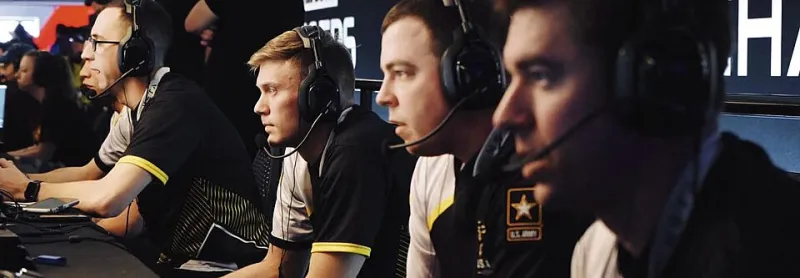
Photo: competitive gamer analyzing strategy on multiple screens, via i.pinimg.com
There's a moment every competitive player knows — you're in champion select, or the pick-ban phase, or the pre-game lobby, and you realize you have absolutely no idea who you're about to play against. You're flying blind. And nine times out of ten, that's exactly where the match is already being decided.
The players who consistently outperform their mechanical skill level aren't just faster or smarter in the moment. They've already done the work before the game starts. They know tendencies. They've spotted patterns. They've built a mental dossier on the opponent sitting across from them. That's not paranoia — that's counter-intelligence, and it's one of the highest-leverage skills in competitive gaming.
Why Pre-Game Scouting Is a Legitimate Competitive Skill
Let's be honest: most players treat the lobby as dead time. You're waiting for everyone to lock in, maybe half-watching a teammate's stream, not doing much of anything strategic. Meanwhile, the player who's going to beat you is already pulling up your match history.
In traditional sports, this is just called preparation. NFL coaches spend the entire week before a game studying film on the opposing offense. MLB hitters review pitcher tendencies before they ever step into the batter's box. There's no reason competitive gaming should be any different — and at the top levels, it isn't.
Professional esports analysts spend hours building opponent profiles before major matches. For individual players, the tools are more limited but the principle is identical: gather information, identify patterns, and use that information to make better decisions.
Where to Actually Find Useful Data
This is where a lot of players get stuck. They know scouting is valuable in theory, but they don't know where to start. Here's the practical breakdown.
Match history and op.gg-style trackers are the obvious entry point. Before a ranked game, pull up your opponent's profile. What champions do they play most? What's their win rate on those picks versus their overall rate? Are there specific matchups where they consistently underperform? This takes two minutes and gives you real intelligence.
VOD reviews are where things get deeper. If you're prepping for a tournament match or a known rival in your local competitive scene, watching their recent games is invaluable. You're not just looking at what they play — you're looking at how they play it. Do they favor aggressive early trades or passive scaling? Do they tilt visibly after dying twice? Do they always take a specific side of the map?
Draft and ban patterns are a goldmine that most players completely ignore. In games with pick-ban phases, your opponent's historical bans tell you what they're afraid of. Their picks tell you what they're comfortable with. Cross-reference those two things and you start to see a picture of their strategic identity — and more importantly, their blind spots.
Reading the Psychology Behind the Patterns
Data is only half the story. The other half is understanding why players make the choices they make, and that's where things get genuinely interesting.
Most players have what you might call a comfort identity — a playstyle they default to under pressure. Some players are comfort-pickers who lock in the same champion or agent every time things feel uncertain. Others are contrarians who try to surprise with off-meta picks when they sense their opponent is well-prepared. Recognizing which type you're facing changes your entire approach.
A comfort-picker is predictable but dangerous in their pocket. Your job is to either ban their safety net or pick a direct counter and force them into unfamiliar territory. A contrarian is less predictable but often less optimized — their surprise picks frequently sacrifice efficiency for novelty. Staying calm and playing fundamentals usually beats the gimmick.
There's also the tilt profile. Watch a few games from your opponent and pay attention to what happens after they lose a fight or give up an objective. Do they overcommit to revenge plays? Do they go quiet and passive? Do they start making risky solo plays to compensate? Knowing someone's tilt pattern is like knowing the combination to their lock. Once you've got it, you can deliberately apply pressure to those exact points.
Building a Pre-Match Routine That Actually Works
All of this is useless if it stays theoretical. Here's how to build a realistic scouting routine that fits into the actual time you have before a match.
For casual ranked play, spend five minutes on tracker sites before queue pops. Identify their top three played champions and note any obvious counter-picks you're comfortable on. That's it. Five minutes, one actionable insight.
For tournament or serious competitive matches, go deeper. Watch two to three recent VODs, specifically looking for draft tendencies, map preferences, and emotional patterns. Build a short bullet-point cheat sheet and review it right before the match. Keep it simple — three tendencies max. More than that and you'll overthink yourself into paralysis.
For recurring rivals in a competitive circuit or ranked ladder, start keeping notes over time. A running document with observations about specific players compounds in value fast. What felt like a guess the first time becomes a confirmed pattern by the third time you see it.
The Edge You're Not Using
Here's the uncomfortable truth: most of your opponents aren't doing any of this. They're queueing up and reacting. That means the moment you start scouting consistently, you're already operating at a different level than the vast majority of the player pool.
Counter-intelligence in competitive gaming isn't about being sneaky or unsportsmanlike. It's about respecting the competition enough to prepare for it. The best players in the world — across every title — are students of the game and students of their opponents. They understand that the match starts before the loading screen does.
Start treating it that way, and watch what happens to your results.