From Frag to Fortune: Building a Real Income Stack as a Competitive Gamer

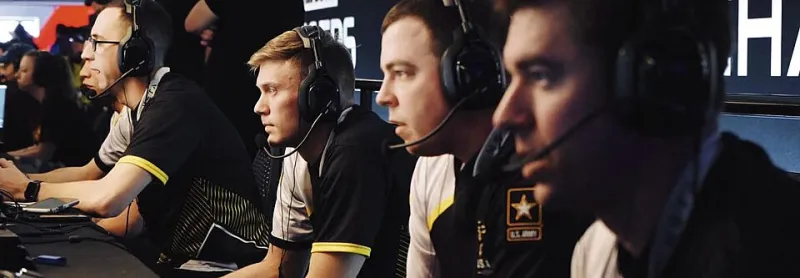
Photo: m.h. son, Public domain, via Wikimedia Commons
Let's be real for a second. If you're grinding ranked queues twelve hours a day dreaming about prize pool payouts, you're playing a very short game. The top 1% of competitive players figured something out a while back — the tournament check is almost never the biggest check. The real money lives in the ecosystem built around the competition.
This isn't a get-rich-quick pitch. It's a strategy guide, just like any other content on MasterMeci — except the arena here is your bank account, and the meta is the creator economy.
Why Prize Pools Alone Won't Cut It
Even at the highest levels of play, prize money is wildly inconsistent. A team might cash out six figures one season and scrape by the next after a roster shuffle or a brutal group stage exit. For individual players — especially those grinding in titles like Valorant, Rocket League, or competitive fighting games — the tournament circuit alone is basically a freelance gig with no health insurance and zero job security.
The players who actually build long-term wealth aren't the ones who win the most. They're the ones who monetize their visibility and expertise the smartest. And that process can start way before you're holding a Worlds trophy.
Streaming: Your Live Billboard
Twitch and YouTube Gaming aren't just platforms — they're distribution engines. When you stream your ranked grind, you're doing two things simultaneously: improving through repetition and building an audience that sponsors will eventually pay to reach.
The key for competitive players specifically is to stream with context. Don't just play — explain. Talk through your decision-making. Break down why you rotated when you did, why you held that angle, why you sacrificed tempo for economy. That kind of high-IQ commentary is exactly what a performance-hungry US gaming audience is hunting for. It differentiates you from the thousands of people who stream just to stream.
Monetization kicks in through subscriptions, Bits, ad revenue, and eventually brand deals. That last one is the real multiplier — which brings us to the next layer.
Sponsorships: The Art of Being Brandable
Sponsorship deals aren't reserved for players with seven-figure follower counts. Micro-influencers in the gaming space — people with audiences between 5,000 and 50,000 engaged followers — are genuinely attractive to peripheral brands, energy drink companies, VPN services, and gaming chair manufacturers.
The pitch you need to make isn't just "I have viewers." It's "I have this specific kind of viewer who buys this specific kind of product." Competitive players have an audience of aspiring competitors. That's a purchasing demographic with disposable income and strong brand loyalty. Frame it that way in every sponsorship outreach email you send.
Start small. Affiliate codes are the entry point. A cut of every sale you generate for a headset brand or a monitor company adds up over time and proves your conversion value before you ever negotiate a flat-fee deal.
Content Creation: Compound Interest for Your Brand
Here's the thing about streaming — it's ephemeral. A VOD gets a fraction of the live views and then mostly disappears. Short-form content is the opposite. A 60-second TikTok or YouTube Short breaking down a busted strategy or a wild clutch moment can rack up views for months.
Competitive players have an enormous content advantage that most lifestyle creators don't: genuine expertise. You can produce strategy breakdowns, patch reaction videos, tier lists, and coaching clips that carry real authority. That authority builds trust, and trust converts into subscribers, followers, and eventually paying customers.
Consistency matters more than perfection here. Post the clip. Record the breakdown. Ship the content. The algorithm rewards volume and engagement, and your competitive skills give you a niche that's both specific and evergreen.
Coaching: Turning Your Rank Into Revenue
This is one of the most underutilized income streams in competitive gaming, and it's arguably the most accessible. If you're Diamond or above in any major title, there are Gold and Platinum players willing to pay real money to learn from you.
Platforms like Metafy, ProGuides, and Gamer Sensei connect coaches with students directly. You set your rate, you set your hours. A Diamond Valorant player charging $40 per hour and running five sessions a week is pulling in $800 weekly from coaching alone — money that has nothing to do with whether they win their next tournament.
Coaching also sharpens your own game. Teaching forces you to articulate concepts you've been executing on instinct, which deepens your own mechanical and strategic understanding. It's a feedback loop that makes you better while it pays your bills.
Org Equity and Roster Contracts: Reading the Fine Print
If you're at the level where organizations are coming to you with contracts, pay close attention to what's on the table beyond the salary. Some orgs offer equity stakes, revenue sharing on merchandise, or cuts of streaming income generated under the org's banner. Others try to lock down your personal brand rights aggressively.
Get a lawyer — seriously. The US esports contract landscape has matured enough that there are attorneys who specialize in this space. The cost of a contract review is nothing compared to the cost of signing away your likeness or content rights for three years.
The best deals are the ones where your personal brand and the org's brand grow together, with clear terms about what happens to your audience and your channels if the relationship ends.
Building the Stack Early
Here's the MasterMeci take: don't wait until you're pro to start building. The players who enter the competitive scene with an existing audience, a coaching side hustle, and an affiliate relationship or two are infinitely better positioned than the ones who show up with nothing but their rank.
Start one stream this week. Post one piece of content. Reach out to one brand. The income stack doesn't get built in a day, but every layer you add compounds over time. Competitive excellence is your foundation — everything else is how you build on top of it.
The game doesn't end when you close the client. For the players who think like entrepreneurs, it's just getting started.