Front Office Mode: Running Your Amateur Roster Like an Actual Franchise
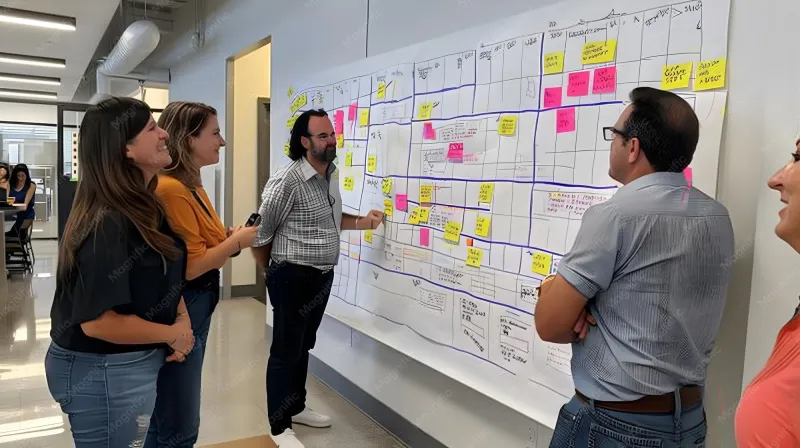
Photo: esports team meeting strategy whiteboard roster planning, via img.freepik.com
Every amateur esports team eventually hits the same wall: the roster that formed naturally out of friendship and availability stops being the roster the team actually needs. Nobody wants to say it out loud, so the team limps through a season, underperforms, and implodes in a Discord call at 1 AM.
The fix isn't better vibes. It's better management. Pro franchises in the NFL and NBA solved this decades ago with unglamorous tools — cap sheets, role valuations, contract expectations, and trade deadlines. Amateur teams can steal all of it for free.
Step One: Build Your Cap Sheet
Pro teams track every player against a salary cap. You don't have money on the line (yet), but you have three currencies that are just as scarce: time, roles, and personality slots.
Sit down and audit each player on four axes:
- Time commitment: How many hours a week do they actually show up? Not what they promised — what the last month proves.
- Role fit: What job does this player do on the roster, and is it the job they're best at or just the job they fell into?
- Development trajectory: Are they improving month over month, flat, or regressing?
- Chemistry cost: Do they raise or lower the floor of everyone around them?
That last one matters more than any aim rating. One chemistry drain can cost you two players' worth of performance. Every front office in America knows the guy who's 10% worse but makes the locker room better is often the better asset.
Step Two: Write Actual 'Contracts'
Amateur teams run on implied expectations, and implied expectations are where resentment breeds. The fix is embarrassingly simple: write down what each role requires and get verbal agreement from everyone.
Your "contract" for a starting player might read: available for two scrims and one VOD review per week, responds to scheduling within 24 hours, no solo-queue tilting into official matches. Your backup's contract is lighter but still concrete.
This isn't legal theater. It's clarity. When someone consistently breaches terms, the conversation is no longer "why are you being flaky" — it's "we agreed to X, this is Y, what's the plan?" That reframing saves friendships, because the conflict is with the contract, not the person.
Step Three: Set Your Trade Deadline
The NBA doesn't allow roster shuffling in April because mid-season chaos destroys team chemistry. Amateur teams should steal the concept wholesale.
Pick a date — say, four weeks before your next qualifier or league split — after which the roster is locked. Before the deadline, everyone gets evaluated honestly against the cap sheet. After it, the roster is the roster, and the team commits fully.
The deadline does two things. It forces decisions instead of indefinite drift. And it gives players who are on the bubble a clear window to prove they belong — which is exactly the accountability most amateur rosters lack.
Step Four: When Cutting a Friend Is the Right Move
This is the part everyone dreads, and why most teams never do it. But with collegiate esports programs and city-based leagues multiplying across the US, the level of organization is rising. A roster held together by politeness will get out-executed by a roster held together by standards.
If you have to make the cut:
- Do it privately, quickly, and honestly. Lead with the cap-sheet facts, not personality grievances.
- Never cut by ghosting. The slow fade is the most disrespectful move in amateur esports and it torches your reputation in a small scene.
- Leave the door open where it's real. A reduced role or substitute position sometimes fits better than a release.
- Separate the friendship from the franchise. You can grab a burger with the guy you benched. Plenty of real GMs do.
The Bottom Line
Nobody starts a five-stack of friends dreaming about spreadsheets and deadlines. But the moment your team wants to win something — really win it — you're a franchise, whether you like it or not. The teams that last aren't the ones with the most talent. They're the ones whose front office, however informal, actually works.
Open a doc tonight. Audit the cap sheet. Your future split results will tell you whether it was worth it.